Due Dates for Drills: The Strange, Useful Boom in Library ‘Stuff’ Lending
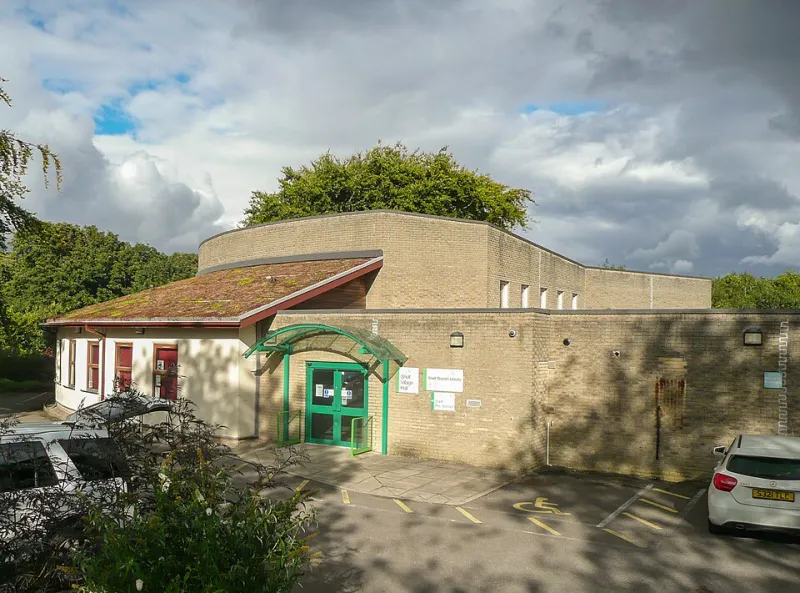
Photo: Humphrey Bolton , CC BY-SA 2.0, via Wikimedia Commons
The checkout desk used to be a quiet place for paperbacks and overdue notices. In 2026, it’s just as likely to be where someone picks up a cordless drill, a bundt pan, or a metal detector that has already seen more backyard action than most gym memberships.
Welcome to the Library of Things—the part of the public library that treats “check it out” less like a reading suggestion and more like a challenge. Across the US, cardholders are borrowing cake pans, telescopes, sewing machines, power tools, fishing rods, board games, and the occasional ukulele. The catalog is no longer just printed pages. It’s shelves of useful, weird, and surprisingly specific objects.
The Card Catalog Got a Toolbox
The pitch is simple: why buy a drill you’ll use twice a year when the library has one sitting next to the tax forms? Why spend $40 on a specialty cake pan for a birthday party when a neighbor branch already owns the dinosaur-shaped one?
That logic is landing with people. Libraries in places like rural Vermont, suburban Ohio, and small-town Oregon have expanded their “things” collections as cardholders look for practical ways to save money and try new hobbies without filling a garage. A metal detector is a weekend experiment. A telescope is a stargazing phase. A sewing machine is a maybe-I’ll-hem-my-own-pants fantasy. The library lets all three happen without the receipt.
And yes, the viral finds help. A branch that stocks a giant cake pan or a surprisingly good thermal camera can end up on social media faster than a new bestseller. People love the idea of a library card doubling as a hardware-store hall pass. It’s practical, a little absurd, and exactly the kind of thing that makes a small-town library feel less like a building and more like a shared junk drawer—in the best way.
Why Small Libraries Are Betting on ‘Stuff’
For tiny branches, the Library of Things is part practical service, part personality. A shelf of borrowable objects can do something a book display sometimes can’t: get people through the door who haven’t read a novel since high school.
“We look at what people ask for at the desk,” is the unofficial rule at many branches. If enough patrons want to borrow a stud finder or a cake carrier, it goes on the wish list. If a local group keeps asking about a projector for meetings, that becomes a line item. The collections are often built from community requests, donated items in good condition, and small grants. Some libraries run surveys. Others just keep a clipboard behind the counter and watch what gets scribbled down.
Space is the real boss. A rural branch might have room for a telescope and a few cake pans; a larger system can stock a full “library of things” room with labeled bins and a laminator. The result is a collection that looks different from town to town. One library’s most-borrowed item is a Kill A Watt electricity meter. Another’s is a pasta maker. A third has a waiting list for a metal detector because someone found a wheat penny in the park and now everyone thinks they’re one scoop away from buried treasure.
The Viral Finds That Keep People Curious
The internet loves a weird checkout. A library that lends out a chainsaw? Instant post. A branch with a cake pan shaped like a local landmark? That’s a field trip. A telescope that comes with a star chart and a warning about cloudy nights? Very shareable.
But the quiet hits matter just as much. Cake pans are a genuine library success story because they solve a very specific problem: you need the pan once, and then you need your cabinet space back. Metal detectors are a hobby starter kit. Sewing machines are practical for repairs and costumes. Drills are the ultimate “I just need to hang one shelf” borrow. None of it is glamorous until you need it, and then it’s the most useful thing on the shelf.
The viral angle also comes with a learning curve. Borrowing a drill means returning it with the battery charged and the bit not missing. A cake pan should come back clean. A telescope should not come back with fingerprints on the lens and a story about “a really clear night.” Libraries have started printing simple checklists, and some require a quick orientation for higher-end items. It’s the same basic contract as a library book, just with more opportunities to lose a chuck key.
More Than a Novelty
It would be easy to file the Library of Things under quirky local news and move on. But the boom says something about how people are using public spaces in 2026. Libraries are already heating and cooling hubs, Wi-Fi spots, printing centers, and community rooms. Adding a shelf of borrowable objects is a short step from there. It’s less about becoming a hardware store and more about being a practical neighbor with a really good label maker.
For cardholders, the appeal is obvious: try before you buy, fix instead of replace, and borrow the weird thing you only need once. For libraries, it’s a way to stay relevant without abandoning the books. The best branches don’t treat the collection as a gimmick. They treat it like any other part of the catalog—something to curate, maintain, and explain.
So the next time you walk past the checkout desk, look past the bestseller stack. There might be a metal detector, a cake pan, and a drill waiting for their due dates. All you need is a card and a reason to get curious.