Lawn Chairs, Extension Cords, and a Ukulele Choir: The Front-Yard Concert Boom Worth Crossing Town For

Photo by Photo by adam roye on Unsplash on Unsplash
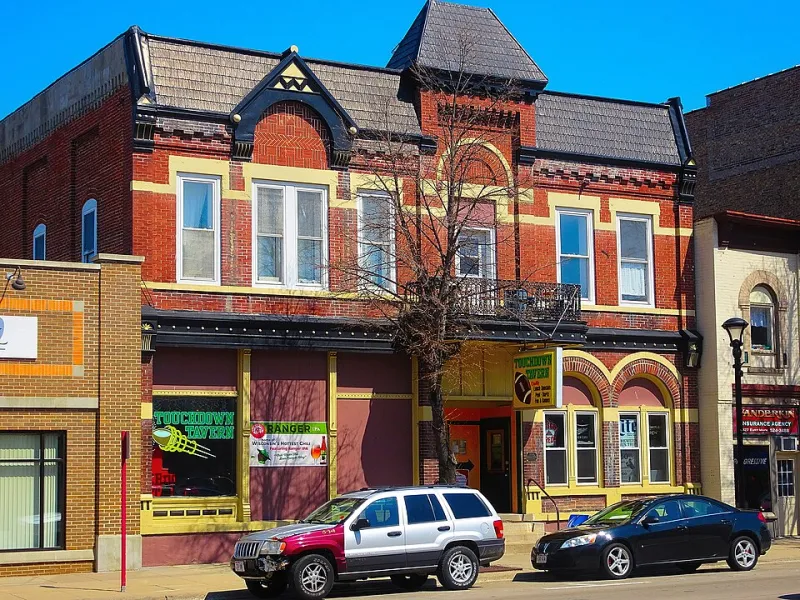
On a Saturday afternoon in 2026, the hottest ticket in town might be a folding chair on a sidewalk. The stage is a front porch. The green room is a kitchen. The sound check is someone yelling, 'Can you hear me now?' from behind a screen door. Welcome to the front-yard concert boom, where towns turn ordinary residential blocks into one-day music districts and the line between performer and audience is roughly the width of a lawn.
The lineup is a grab bag on purpose
Part of the charm is that nobody is curating toward a single vibe. A Porchfest map in 2026 might send you from a middle school jazz combo to a dad band doing Tom Petty covers to a ukulele choir to a punk trio set up in a driveway. You might catch an opera singer testing the acoustics of a covered porch, a barbershop quartet harmonizing near a hedge, or a 12-year-old cellist who is easily the most composed person on the block. The headliner is whoever is playing when you get hungry.
These events go by many names—Porchfest, Porch Stomp, front-porch festival, lawn concert day—and they are not a single organization. Somerville, Massachusetts, is often credited with kicking off the modern Porchfest idea in 2007, and since then the format has spread to hundreds of towns. By 2026, the model is familiar enough that organizers borrow from each other: digital maps, printed schedules, color-coded signage, and a small army of volunteers in matching T-shirts.
The rules are mostly about not being a jerk
Every Porchfest has an official permit and an unofficial code. The official part covers noise, street closures, and insurance. The unofficial part covers everything else: bring a chair, but don't block the sidewalk. Stand on the lawn if invited, not in the flower bed. Ask before using a bathroom. Treat a tip jar like a tip jar, not a suggestion box. If you see an orange extension cord snaking across the grass, step over it—don't unplug it to charge your phone.
Performers follow their own etiquette. Sets are short, usually 30 to 45 minutes. Amps stay modest. Drummers get creative about volume. Porch owners can tap out after their agreed-upon set, and audiences are expected to move on without a lengthy encore negotiation. The whole thing works because it is temporary, neighborly, and slightly improvised. The porch is still someone's house. The street is still a street.
How the money works (barely)
Porchfest is not a cash cow. In 2026, most events run on a patchwork of small grants, local sponsorships, merch sales, donation buckets, and volunteer labor. A town arts council might kick in a few hundred dollars. A coffee shop or hardware store might sponsor the map. A real estate office might pay for port-a-potties. Organizers sell buttons, T-shirts, and raffle tickets. Some towns charge a small vendor fee; others rely on passing a bucket at the end of the day.
Permits are the unglamorous bottleneck. Towns have to coordinate street closures, noise ordinances, parking, and liability. Some Porchfests are officially city-run; others are independent volunteer projects that work with the city. The budget is often less than the cost of a used sedan, which is part of the appeal. Nobody is building a stadium. They are trying to make a Saturday feel like a block party with better scheduling.
Why the front lawn is winning attention
Big concerts are still big. But the front-yard model offers something the arena cannot: intimacy at eye level. You can see the performer's sneakers. You can hear the neighbor's dog. You can walk three blocks and catch four completely different acts. There is no ticket fee, no bag check, no $18 parking. The stakes are low enough that you can leave after two songs and not feel like you wasted a mortgage payment.
Social media has helped, too. Vertical clips of a porch show travel well because they look like a secret even when they are happening on a public sidewalk. In 2026, the algorithm loves a scene that feels discovered rather than marketed. Porchfests are not anti-arena. They are just a different kind of night out: hyperlocal, walkable, and built around the idea that a town's creative life does not have to be imported from a touring schedule.
If you go this season
Check the local map before you leave the house. Bring a folding chair, cash for tips, water, and sunscreen. Park a few blocks away. Buy something from a performer if you can. Follow the signs, respect the set times, and remember that the person handing out programs is probably a volunteer who has been answering the same question all morning. The real headliner is the street. The porch is just where it happens to plug in.