A Dollar, a Drumstick, and a Dream: The Bar-Room Lottery Reinventing Friday Night
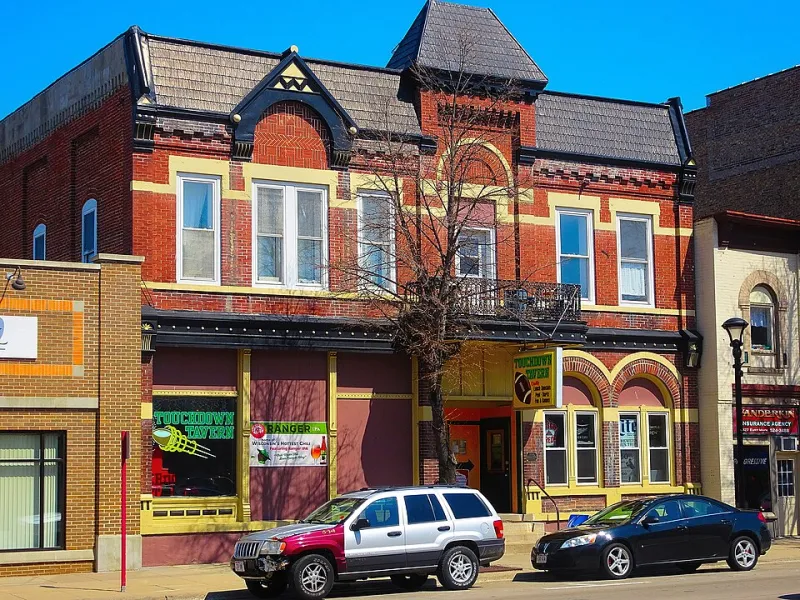
Photo: Corey Coyle, CC BY 3.0, via Wikimedia Commons
The Cooler at the End of the Bar
On a Friday around 6 p.m., the corner bar in a town you’ve probably never heard of starts filling up. Not for a band. Not for a game on the TV. The draw is a folding table near the taps, a stack of numbered tickets, and a cooler or two loaded with butcher-paper bundles. A dollar gets you a chance at a ribeye. Five gets you a small fan of tickets and a fresh round of trash talk.
Meat raffles are exactly what they sound like: bar-room lotteries where the prizes are cuts of meat. Sometimes it’s a package of steaks. Sometimes it’s bacon, pork chops, a whole chicken, or a mixed “freezer bundle” that looks like a butcher’s idea of a gift basket. You buy tickets, drop them in a bucket, and wait for a number to be called. If you win, you walk out with dinner and a story. If you lose, you’re out a few bucks and still have a seat at the bar.
The format is old-school Upper Midwest — Minnesota, Wisconsin, Iowa, Illinois, the Dakotas — but in 2026 it’s showing up in places that don’t even have a proper supper club. The appeal isn’t complicated. It’s cheap. It’s social. And it gives a Tuesday or a Sunday afternoon a plot.
How a Meat Raffle Actually Works
The mechanics vary by bar, but the rhythm is usually the same. You buy a strip of tickets from a bartender, a volunteer, or whoever has the microphone. A single chance might cost a dollar; a “arm’s length” or a strip of five is often a few bucks more. You keep half the ticket and drop the other half in a bucket, a jar, or a plastic tub labeled with the prize.
Then comes the call. A number gets read. If it’s yours, you pick your package. If it’s not, you buy another ticket before the next round. Some bars run a “winner’s choice” format where the first name called gets first pick of the table. Others do a “heads or tails” warm-up, a 50/50 side raffle, or a “last ticket standing” twist to keep the room from drifting back to the TVs.
The prizes are rarely glamorous, and that’s the point. A ribeye is a splurge. A pack of bacon is a Sunday breakfast. A whole chicken is a weeknight dinner with leftovers. The meat raffle turns grocery shopping into a spectator sport, with a butcher’s counter as the trophy case.
The Unwritten Rulebook
Every meat raffle has its own etiquette, and regulars will absolutely notice if you break it. The big one: buy from the bar. A raffle is a bar promotion, not a charity drive you can audit. If you’re drinking, drink there. If you’re not drinking, at least tip the person selling tickets. The second rule: don’t hog the bucket. Buying a hundred tickets in a small room can turn a friendly draw into a silent standoff. The third: if you win early, congratulate the next winner and maybe buy a round. The meat is the prize; the room is the point.
There’s also a soft rule about splitting. If a group goes in together and wins, the package gets divided on the spot — steaks here, bacon there, chicken to whoever hosted last. It’s not a formal transaction. It’s a barstool economy.
And yes, there is a strategy, though nobody agrees on it. Some players swear by buying right before the draw. Others spread tickets across multiple buckets to hedge. The real veterans know the best strategy is to sit near the cooler and be pleasant enough that nobody minds when your number gets called twice.
Why It’s Packing Them In Again
Meat raffles never really went away in the Upper Midwest, but the crowds are changing. Younger bar-goers who grew up with farmers markets and “buy local” stickers are discovering something their grandparents took for granted: a night out that costs less than a movie ticket and sends you home with groceries. The low stakes help. So does the novelty of a prize that isn’t a gift card or a branded koozie.
Bars like it for obvious reasons. A meat raffle fills a room on a slow night, moves drinks, and builds a regular crowd that comes back for the ritual. Legion halls, VFWs, and youth sports boosters use them as fundraisers, which adds a civic glow to the whole thing. You’re not just gambling a dollar on a steak; you’re helping the local hockey team buy pucks.
In 2026, the meat raffle has also become a small-town content engine. A cooler full of ribeyes and a caller with a handheld mic is inherently watchable. Videos of the draw — the suspense, the groans, the winner hoisting a package of pork chops like a trophy — travel well beyond the county line. It’s the kind of curious, low-key Americana that doesn’t need a punchline.
The Real Prize Is the Draw
Strip away the butcher paper and the meat raffle is a very old idea: a room full of people agreeing to share a little suspense. The odds are long, the prizes are practical, and the whole thing runs on ones and fives. But for a couple of hours, the bar becomes a game show where the grand prize is dinner and the consolation prize is another round.
So if you see a hand-lettered sign taped to a bar door — “Meat Raffle, 6 p.m.” — don’t overthink it. Buy a ticket. Tip the bartender. Cheer for strangers. And if your number gets called, take the ribeye and act like you’ve been there before. In this economy, a dollar for a shot at a steak is a pretty good night out.