The Unmanned Aisle: How Vending Machines Became America’s Strangest Storefronts
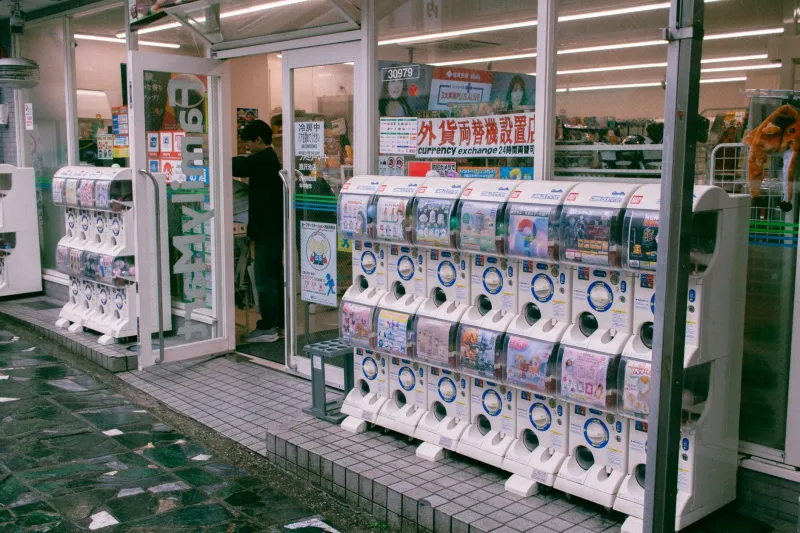
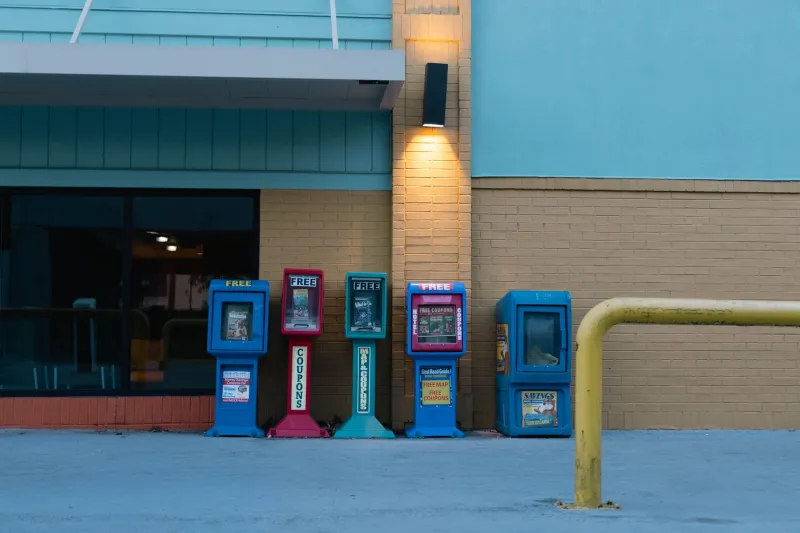
Vending machines used to be a compromise. You wanted a snack, you got stale chips and a lost dollar. In 2026, they are becoming something else entirely: a storefront. Across the US, entrepreneurs are turning empty retail bays, parking-lot corners, and former nail salons into unmanned mini-marts stocked with fresh cookies, sneakers, local honey, candles, and just about anything else that fits behind glass. No cashier. No checkout line. No small talk. Just a row of machines and a card reader.
Welcome to the vending machine mall. It is part convenience store, part art installation, and part experiment in how little human interaction Americans are willing to accept in exchange for a 2 a.m. snack.
From Snack Wall to Micro-Mall
The old vending machine sold soda, chips, and maybe a sad granola bar. The new one sells a lot more. It can be a refrigerated locker for croissants, a glass case for limited-edition sneakers, or a cabinet of handmade earrings from a local artist. Some operators call them micro-marts, automated retail spaces, or self-service shops. The naming is still settling. The format is not. You rent a small space, fill it with machines, and let customers shop without a staff. Payment is card or app. Restocking is a weekly ritual. Security is a camera and a prayer.
The weirdest versions are the ones getting shared. A machine that dispenses fresh baked goods in a town with no bakery. A machine filled with vintage clothing sorted by decade. A machine selling local hot sauce next to a car wash. Each one is a tiny bet that people will buy something unusual if the friction is low enough. Sometimes the bet pays off. Sometimes it becomes a very expensive glass cabinet.
Why Empty Storefronts Are Filling Up With Machines
Landlords hate vacant windows. Entrepreneurs hate high labor costs. Vending machine malls solve both problems at once. A small retail space can be leased short-term, filled with machines, and opened with minimal staffing. If a product sells out, restock it. If it does not, swap the machine. That flexibility is attractive in a retail environment where a full build-out can be risky and slow.
Parking lots are part of the story too. Drive-up machines offer something a traditional store cannot: you can buy a candle, a cupcake, or a pair of socks without leaving your car. In small towns where shops close early, an unmanned wall of machines becomes the night shift. In big cities, it becomes a way to use leftover space that would otherwise sit dark.
The model is not new. Automats once promised machine-served meals, and cupcake ATMs have been around for years. What is different now is the payment technology, the camera systems, and the comfort level. Americans have spent years scanning QR codes and picking up packages from lockers. A vending machine mall feels like the next logical step. It is retail without the retail experience — or maybe it is a new retail experience entirely.
The Weirdest Machines Are the Tell
Fresh baked goods are the big test. A cookie or croissant has a short shelf life and a high trust requirement. If the machine works, it feels like magic. If it fails, it feels like a science experiment. Sneakers are another signal. A glass case of limited-edition shoes turns a machine into a mini gallery, complete with the thrill of watching a robotic arm or spiral shelf deliver something expensive.
Local crafts may be the most interesting category. A vending machine stocked with candles, jewelry, and small art from nearby makers is not just convenience. It is a distribution channel for people who cannot afford a full storefront. That is a very 2026 idea: small-batch commerce, no lease, no staff, and a customer who found you through a TikTok video of a machine dispensing a candle.
Viral shopping loves this format because it is inherently visual. The machine is the content. The weird product is the punchline. The purchase is the payoff. You do not need a showroom. You need a glass box and a good camera angle.
The Catch: Trust, Freshness, and the Honor System
Unattended retail runs on trust. Customers need to believe the machine will work, the refund will come, and the product is not expired. Operators need to believe customers will not pry open the glass. Cameras and app accounts help, but they do not solve everything. Fresh food is especially tricky. A machine that sells croissants has to manage temperature, turnover, and the very real possibility that nobody wants the last one.
The best vending machine malls are curated, not random. A row of unrelated machines feels like a garage sale. A row with a clear point of view feels like a store. That point of view might be late-night snacks, local makers, sneaker drops, or small-town essentials. The machines are just the shelves. The real product is trust and a little bit of novelty.
What This Says About How Americans Want to Shop in 2026
Americans are not rejecting stores. They are rejecting friction. They still like browsing, discovering, and buying something they did not know they needed. They just do not always want to wait in line, make small talk, or rush to beat a closing time. Unattended retail fills the gaps: late nights, small towns, quick errands, and impulse buys that used to require a full shopping trip.
That is why the vending machine mall is less of a replacement for the shopping center and more of a scavenger. It uses the leftovers of retail — empty storefronts, parking-lot corners, spare square footage — to sell things people want right now. It is not glamorous. It is not always reliable. But it is weirdly revealing. The unmanned aisle shows a country that wants convenience without the checkout, novelty without the trip, and a little bit of surprise behind glass. In 2026, that is a surprisingly good sales pitch.