The Cow Was Suspicious: How Small-Town Police Blotters Became America’s Best Comedy Beat

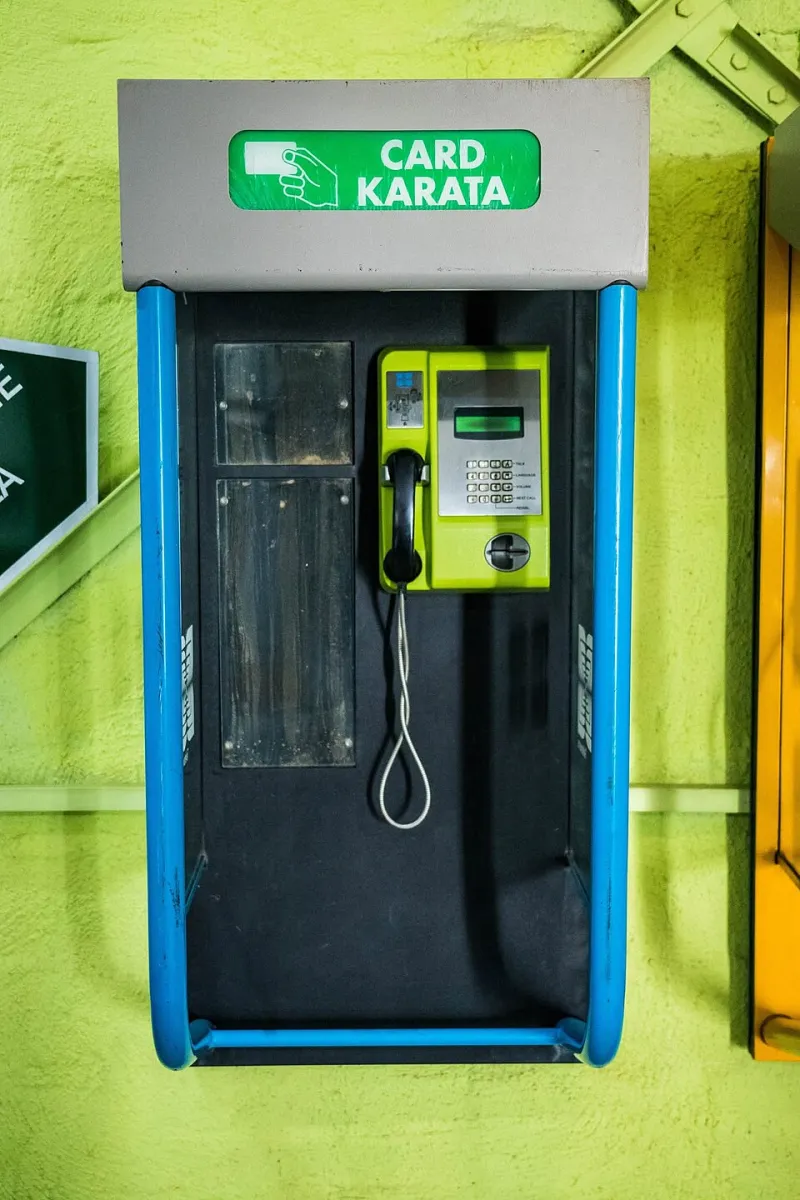
Photo by Photo by Kevin Grieve on Unsplash on Unsplash
The funniest thing in American journalism right now is not a late-night monologue or a viral TikTok. It is a line item.
'Suspicious cow reported on County Road 12. Officer responded. Cow was not suspicious. Cow was grazing.'
That is the whole item, or close to it, from a small-town police blotter in the Midwest. It is also, judging by the comments under the department's Facebook post, better than most streaming comedy specials. Welcome to the strange, deadpan, deeply soothing world of the small-town police log — a place where nothing much happens, and everything is worth writing down.
The Deadpan Dispatch
Police blotters have existed for as long as local papers have. But in 2026, they have found a second life as shareable comfort reading. The formula is simple: date, time, caller, complaint, disposition. The comedy comes from the collision between official language and absolute nonsense.
A few recent entries making the rounds:
- 'Aggressive squirrel on Main Street. Officer advised squirrel to move along. Squirrel declined.'
- 'Caller reported a pie on the porch. Pie was not suspicious. Pie was banana.'
- 'Lawn chair in roadway. Chair was empty and uncooperative.'
- 'Goat in drive-thru. Goat had no money and no license. Goat was released to owner.'
- 'Report of a chicken loitering near the post office. Chicken was gone on arrival.'
None of these are jokes, exactly. That is the point. The officers and clerks who write them are not trying to be funny. They are trying to be accurate. The humor comes from the flat, unbothered tone — the sound of a human being calmly typing 'the cow was not suspicious' while the rest of the internet screams.
The People Behind the Log
Most blotters are written by a rotating cast of dispatchers, records clerks, and patrol officers. The job is administrative. The results are accidentally literary.
'We just type what happened,' says a records clerk in a town of about 2,400 in central Kansas. She asked not to be named because she is not authorized to speak for the department. 'If someone calls and says there is a goat in the drive-thru, we write that there is a goat in the drive-thru. We do not add commentary. The commentary is already there.'
That restraint is the whole trick. The best blotters resist the urge to wink. They do not say 'LOL' or 'you can't make this up.' They say 'owner contacted' and move on. The reader supplies the laugh.
A dispatcher in upstate New York put it another way: 'We get more engagement on a runaway emu than on a drug bust. People want the low-stakes stuff. They want to know the emu is okay.'
Why It Works
There is a reason these posts travel. National news in 2026 is loud, fast, and optimized for outrage. The police blotter is the opposite. It is slow, local, and almost aggressively small. A suspicious cow is a problem that can be solved by an officer rolling down a window and looking at it.
'It is the last place on the internet where nothing is optimized,' says a media professor at a midwestern university who studies local news. 'There is no hook, no thumbnail, no hot take. It is just a record of the weird little things that happen in a town. That is why people share it. It feels like a break.'
The entries also double as a kind of community roll call. Readers recognize the road, the landmark, sometimes the goat. A lawn chair in the roadway is not just a lawn chair. It is the lawn chair from the corner where the neighbor always drags his grill. The blotter turns ordinary municipal paperwork into a group chat.
The Rules of the Form
The best departments follow an unwritten code. No mocking victims. No personal information. No embellishment. If the caller is upset, the entry stays respectful. If the situation is absurd, the entry stays flat.
'You can't force it,' the Kansas clerk says. 'If you try to be funny, it reads like a bad birthday card. If you just write it down, the funny takes care of itself.'
That is why the format keeps working. The world is strange enough. The blotter just holds up a mirror and labels it 'report of.'
Comfort Reading for a Loud Year
In 2026, the police blotter has become a small ritual for a lot of readers. They check the local paper the way other people check the weather. They scroll for the goat, the pie, the uncooperative chair. They are not looking for crime. They are looking for proof that ordinary life is still ordinary — and a little ridiculous.
The next time you see a headline about a suspicious cow, read the item. It will be three sentences long. It will not have a punchline. It will still be the best thing you read all day.