The Sidewalk Famous: How Painted Fire Hydrants Became Small-Town America’s Weirdest Celebrities
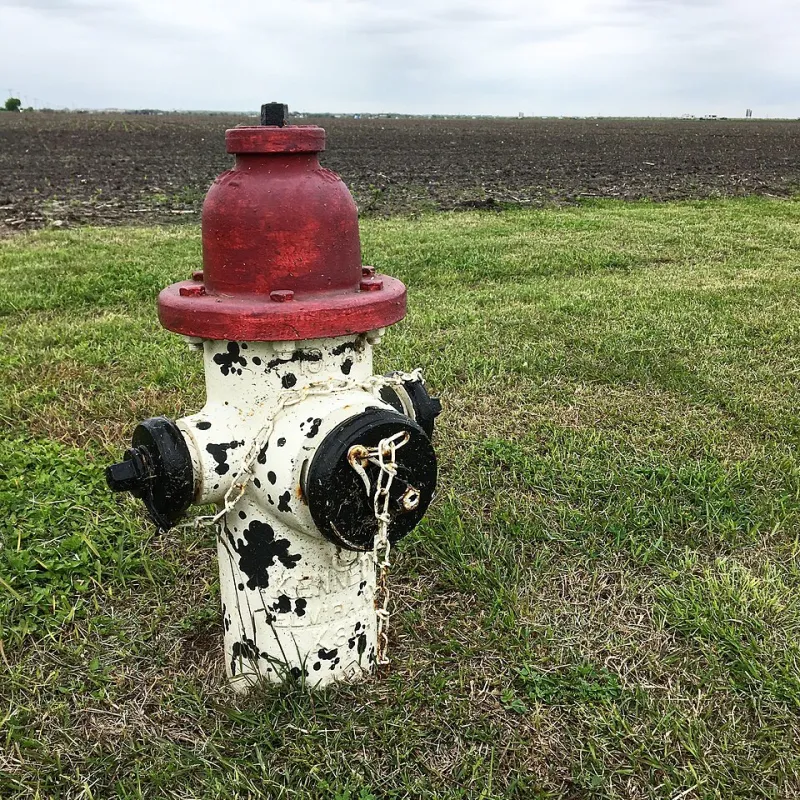
Photo: Mark Cross, CC BY 4.0, via Wikimedia Commons
Somewhere in America, there is a fire hydrant with a fan club. It has a name, a theme, and a small but devoted following of people who pull over to take its picture. It is not a statue or a mural. It is a piece of municipal plumbing in a tiny hat.
That is the strange charm of the painted-hydrant boom. In towns across the country, fire plugs have been reborn as cowboys, cartoon diners, local mascots, historical figures, and memorial tributes. They are still infrastructure first—but in 2026, they are also miniature landmarks with their own lore, their own maps, and occasionally their own social media followings.
From civic equipment to local character
Fire hydrants are supposed to be invisible until they are urgently necessary. They sit on corners, collect sun, and wait. Painting them is not a new idea—cities have added color to hydrants for decades—but the current wave feels different. The paint jobs are more personal, the themes are more local, and the audience is bigger.
A hydrant might become a salute to a town’s rodeo history. Another might wear the colors of a high school team. Some are painted to look like tiny diners, complete with a painted counter and a cheeseburger on the cap. Others are quieter: a name, a date, a small tribute to someone the neighborhood lost.
That mix is what makes hydrant-spotting feel like a real hobby rather than a municipal beautification project. You are not just looking at paint. You are reading a town’s self-portrait, one four-foot-tall character at a time.
The rules behind the rouge
Here is the less glamorous part: you cannot just grab a brush and turn the nearest hydrant into a hot dog. Hydrants are fire-safety equipment, and towns tend to have opinions about them.
Most paint projects need approval from the local fire department, public works crew, or a designated arts council. The paint cannot cover operating nuts, caps, threads, or inspection tags. Colors usually have to keep the hydrant visible from the street. Some towns require reflective paint or a clear contrast with the curb. Others limit themes to avoid political messages, business logos, or anything that might confuse emergency crews.
That is why the best hydrant art often comes with a quiet army behind it: volunteers, scout troops, garden clubs, downtown associations, and patient city employees who know exactly how much paint a fire plug can take. Some towns run adopt-a-hydrant programs, where residents or businesses sponsor a hydrant and keep it looking sharp. Others hold annual contests for the best-dressed hydrant, which is exactly the kind of civic rivalry that sounds silly until you see how seriously people take it.
A scavenger hunt with a pulse
The road-trip appeal is obvious. Painted hydrants are free, outdoor, family-friendly, and scattered just enough to make a walk interesting. In 2026, local tourism offices and hobbyists are building digital maps and checklists so visitors can follow a painted-hydrant trail through downtowns, historic districts, and county fairgrounds.
It is a very low-stakes version of public art hunting. You do not need tickets. You do not need to know the artist. You just need to look down. A hydrant painted like a bumblebee can carry a whole block’s personality. A hydrant in a tiny raincoat can make a rainy afternoon feel like a win.
And because hydrants are everywhere, the hobby scales. A small town might have five. A bigger city might have dozens. The thrill is in the surprise—rounding a corner and finding that a piece of street furniture has been quietly dressed up as a local legend.
The photo etiquette nobody prints on the map
Like any viral hobby, hydrant-spotting works best when people remember that the subject is still safety equipment. Do not block the hydrant. Do not climb on it. Do not drape props over the caps or lean a bike against it. If the paint is peeling or the hydrant looks damaged, tell the town rather than trying to fix it yourself.
Photographers should also keep it simple. Shoot from the sidewalk, not the street. Avoid flash at night if it distracts drivers. And if a hydrant is on private property or in a gated area, admire it from a respectful distance.
The best hydrant photos tend to be the least staged: a close-up of the painted face, a wide shot that shows the shop signs behind it, a kid pointing at a hydrant shaped like a cartoon dog. These are not glossy travel-brochure images. They are proof that someone in town decided to make a boring thing delightful.
Why the hydrants win
Painted hydrants are not going to replace murals or roadside giants. They are too small, too practical, and too easy to miss. But that is exactly why they work. They reward attention. They make a routine walk feel like a scavenger hunt. They give small towns a way to be creative without a capital campaign.
In a world of overproduced attractions and crowded photo ops, a painted fire hydrant is refreshingly unbothered. It is not trying to go viral. It is just standing there, doing its job, wearing a tiny cowboy hat.
And in 2026, that is more than enough to make it a local celebrity.